


Hotline:
09068802670906880267










Hot Melt Adhesives for Carton Sealing
Choose carton-sealing hot melts by paper surface, line speed, compression time and storage conditions. Explore glue sticks, granules and trial guidance.

Hot Melt Carton Sealing on Automated Lines
HOT MELT CARTON SEALING ON AUTOMATED LINES
Carton-sealing hot melt adhesive is heated for application to carton flaps and forms a bond as it cools and solidifies. On an automated line, sealing performance depends on the adhesive grade, paper surface, application quantity and compression time.
How adhesive reaches the carton
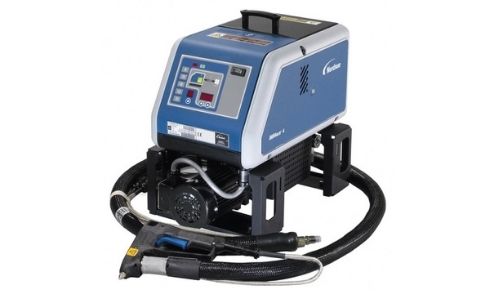
- The melter conditions the adhesive for dispensing.
- Adhesive passes through the filter, delivery path and nozzle according to the machine configuration. Heated zones are set as required for the adhesive and equipment.
- The applicator deposits beads or dots at the intended positions on the flap.
- The folding and compression mechanism brings the surfaces together and holds them while the bond develops.
Machine configurations differ. Check the nozzle type, control method and the interval between adhesive application and flap closure before selecting a grade.

Select for paper and production conditions
| Carton surface | Identify kraft, recycled, printed and coated surfaces. Film, UV and metallized coatings require trials on the actual substrate. |
|---|---|
| Line speed | Match the interval between dispensing and flap closure to the adhesive open time. |
| Compression time | The bond must be stable enough when the carton leaves the holding section. |
| Storage and transport | Assess expected temperature, humidity and carton loading. |
| Equipment and application quantity | Match viscosity, processing temperature and dispensing pattern to the system. |
EVA and polyolefin are common packaging hot melt families. The resin-family name alone does not establish compatibility with a particular carton. Select a specific grade and validate it on the production line.
Open time and set time
Open time is the available assembly period after adhesive application. Set time relates to the bond becoming stable enough for the next operation. Both depend on the grade, application quantity, temperature and substrates. A single fixed number of seconds cannot describe every line.

Troubleshooting sealing defects
| Flaps spring open after the machine | Check flap fit, application quantity, line speed and compression time. |
|---|---|
| Adhesive separates from the paper | Review dust, moisture, surface coatings and adhesive wetting. |
| Interrupted, missing or misplaced beads | Check nozzles, filters, control signals and application position. |
| Stringing or deposits | Review actual temperatures, heated residence time and cleaning practices. |
Validate before routine production
Trial cartons with representative contents and loading. Record the adhesive grade, machine settings and consumption. Inspect bonds after cooling and after storage under the expected conditions. Follow the equipment procedure when cleaning or maintaining the system to control electrical, thermal and pressure hazards, and avoid contact with molten adhesive.
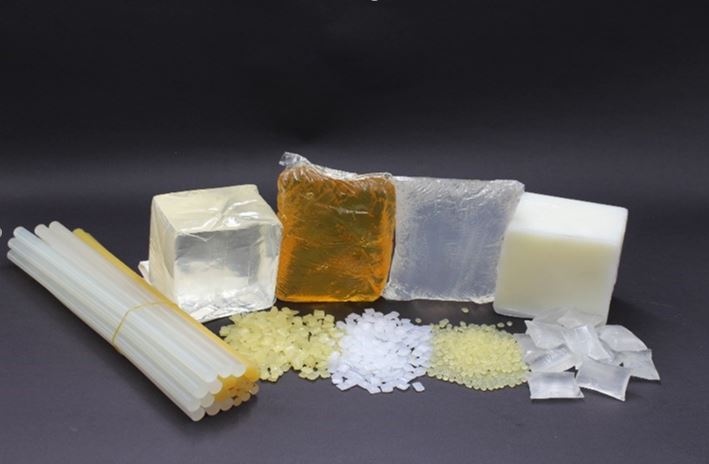
Explore EVA hot melts, polyolefin hot melts and carton-sealing adhesive forms. Contact VALONA with your materials, adhesive grade and application requirements for product advice and a quotation.
- Ethylene vinyl acetate-based Hot Melt Adhesives
- Polyolefin-based Hot Melt Adhesives
- Hot Melt Glue Sticks
- Pressure-sensitive Hot Melt Adhesives
- Polyurethane-based Hot Melt Adhesives
- Water-based Adhesives
- Solvent-based Adhesives
- Polyamide Hot Melt Adhesives
- Adhesive Cleaning Solutions
- Hot Melt Glue Guns
product
Contact
VALONA COMPANY LIMITED
Tax code: 0313466906
Date of issue: 01/10/2015
Date of revision 2nd:
Date 17/03/2017
Place of issue: Department of
planning and investment
Ho Chi Minh City
Hotline 1: 0906880267
Hotline 2: 0902821867
Hotline 3: 0908219711
Phone: (028)37555300
Email: info@valona.com.vn

Head office: 212 Tran Van Kieu Street, Ward Bình Phú, HCM City, Vietnam
Office 2: B1, Lot 5, Dinh Cong New Urban Area, Dinh Cong Ward, Hoang Mai District, Ha Noi City
Factory: Lot H6, Road N3, Nam Thuan Industrial Park, My Hanh Commune, Tay Ninh Province
Copyright © 2019 Copyright by VALONA COMPANY LTD Thiết kế và phát triển bởi P.A Việt Nam
Online: 11 | Total people online : 1851627


